Indian Dance

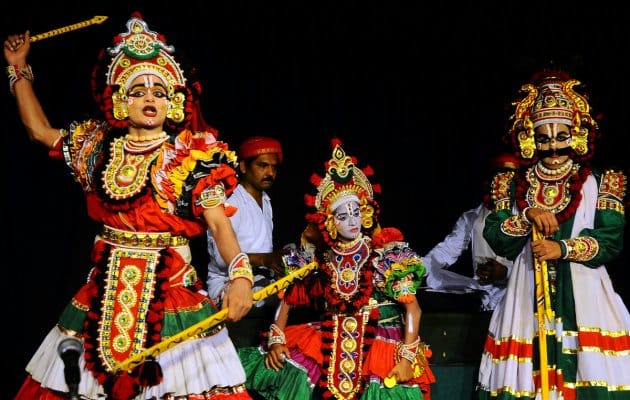
Yakshagana

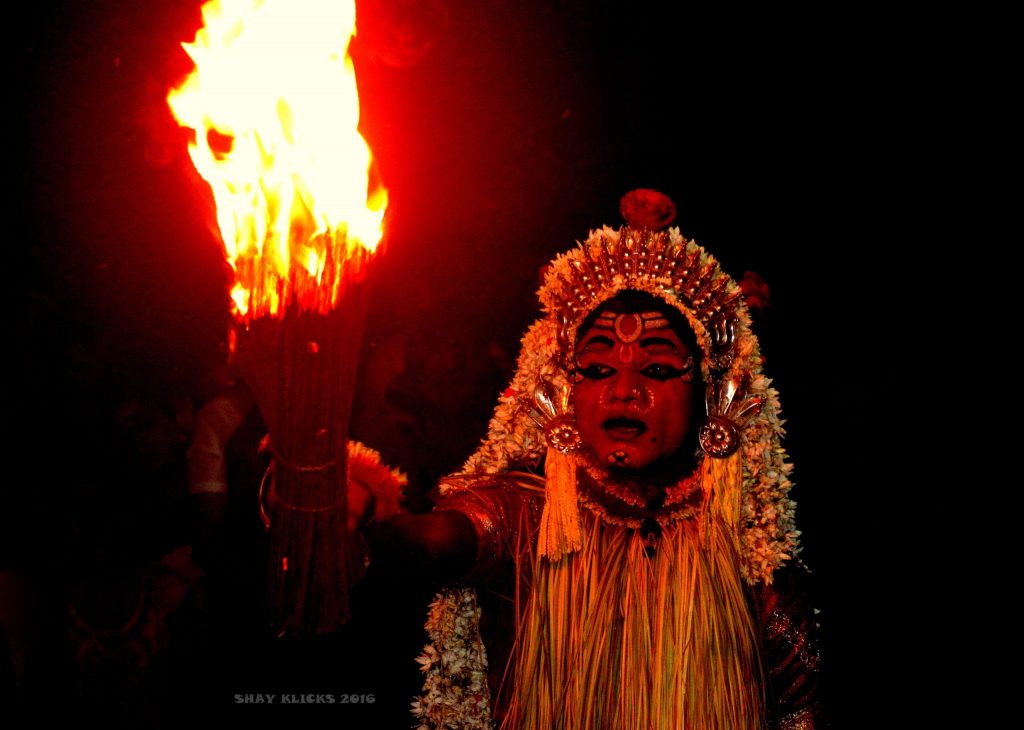
Yakshagana is a musical dance drama popular in coastal and Malenadu regions of Karnataka, India. Yakshagana is the recent (200 years) scholastic name for what are known in Kannada as Kelike, Dashavatara, Aata, Bayalaata. It is believed to have evolved from pre-classical music and theatre during Bhakti movement. It is popular in the districts of […]
Yakshagana Read More »

Goravara kunita

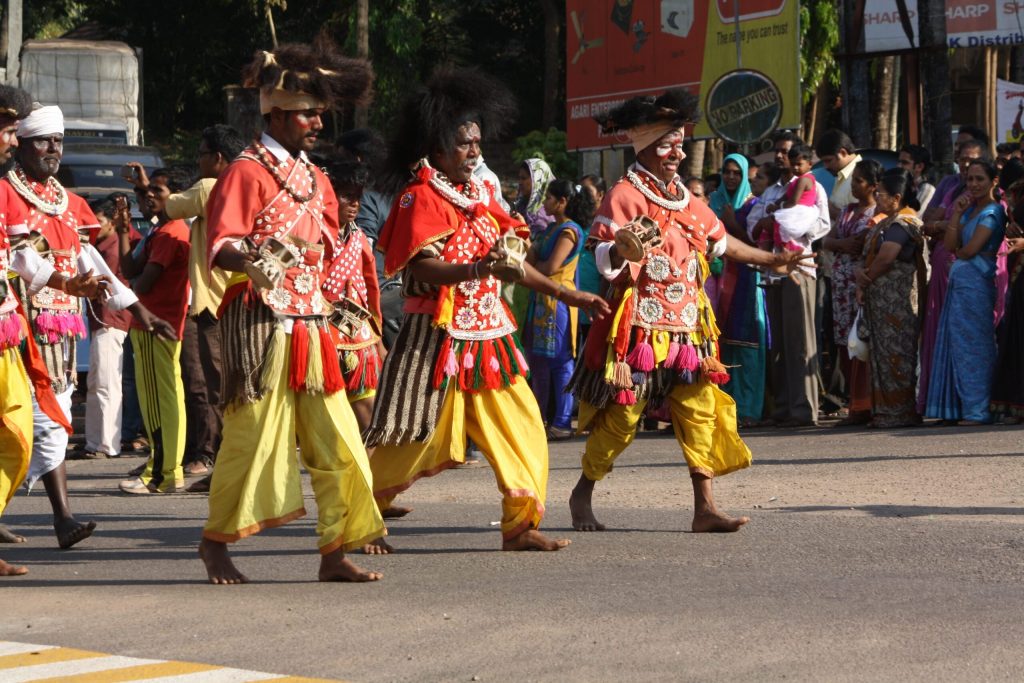
Goravara kunita is a folk dance of Goravas or the Shiva cult that is popular in both Mysore and North Karnataka regions. While in North Karnataka, the Goravas worship Mylara linga as their deity, in Mysore region, they worship Mudukutore mallikarjuna. they hail from the Halumatha Kuruba Gowda community. In the Mysore region, the costume

Goravara kunita Read More »

Somana Kunitha

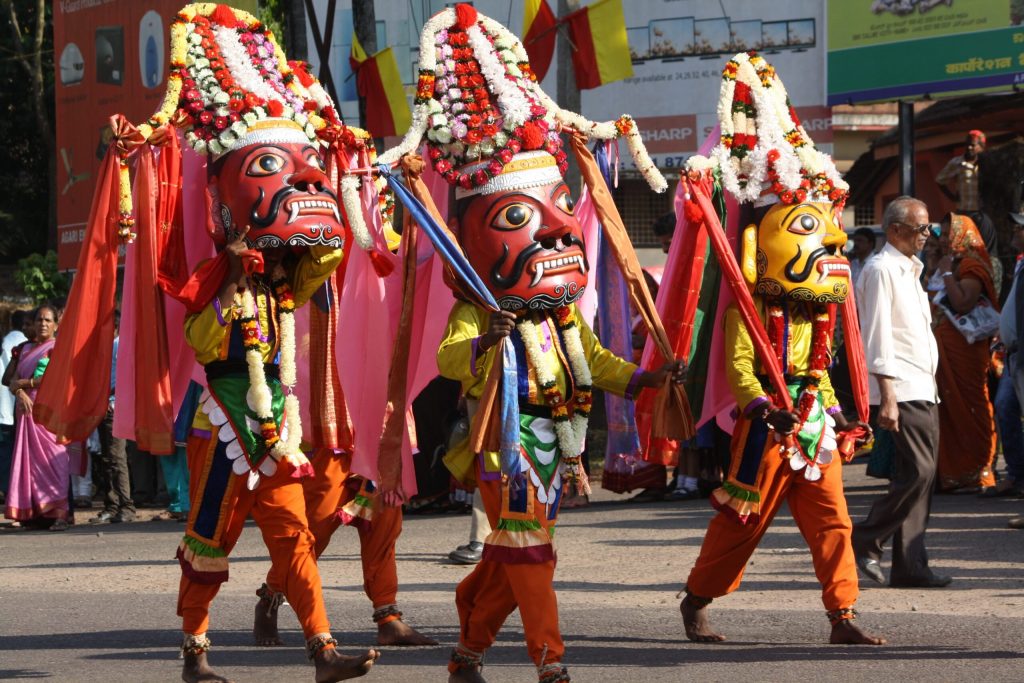
Somana Kunitha or the ‘Mask dance’ is a celebratory form of spirit worship prevalent in south Karnataka region. It is performed mostly in village shrines dedicated to the Mother Goddess. The art is mostly practised by the Gangemata community. The dance is characterised by the dancers wearing elaborate masks painted in different colours. The colour

Somana Kunitha Read More »

Dollu Kunitha

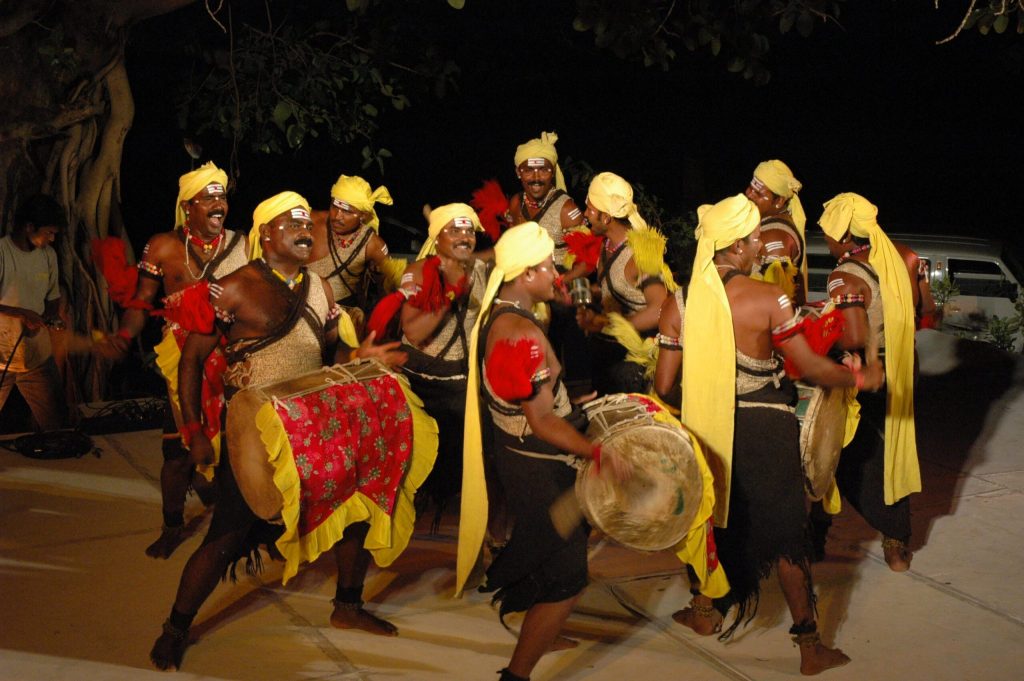
Dollu Kunitha (dance), is a major form of art, occupies the pride of place among folk dances. Dollu Kunitha is a popular drum dance of Karnataka accompanied by singing. It provides both spectacular variety and complexity of skills in the process of demonstration. Woven around the presiding deity of Beereshwara or Beeralingeswara, chiefly worshipped by

Dollu Kunitha Read More »

Kamsale

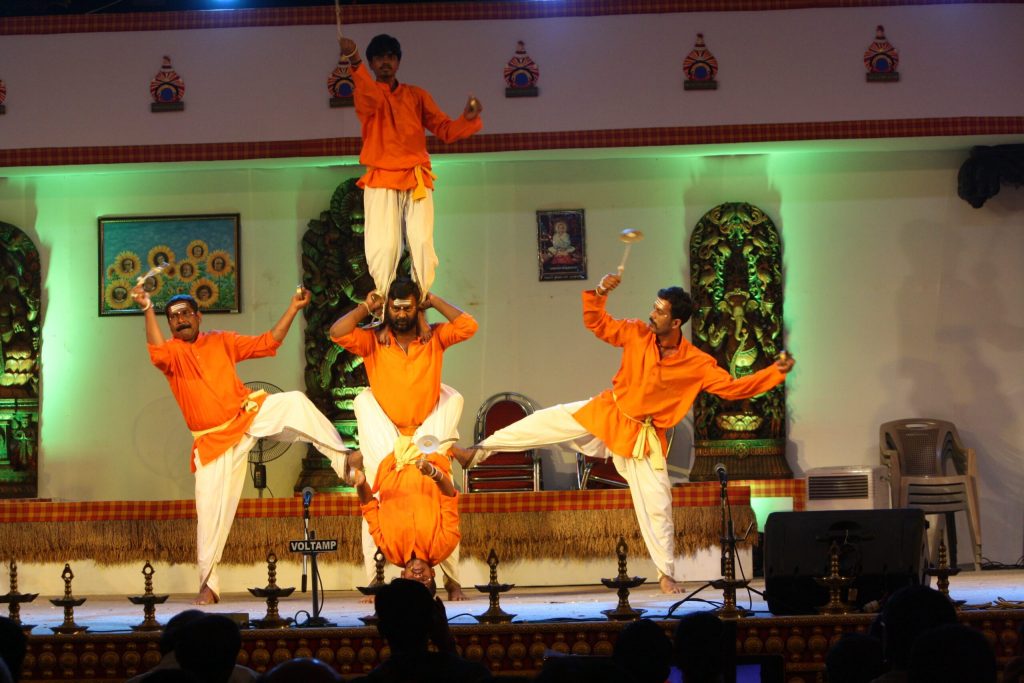
Kamsale is known as Beesu Kamsale. It is a unique folk art performed by the devotees of God Mahadeshwara. Kamsale is a brass made musical instrument. Its origin is traced to the Mythological period. It is a group dance form performed by the menfolk in villages in the Mysore, Nanjanagudu, Kollegala and Bangalore areas. It

Kamsale Read More »

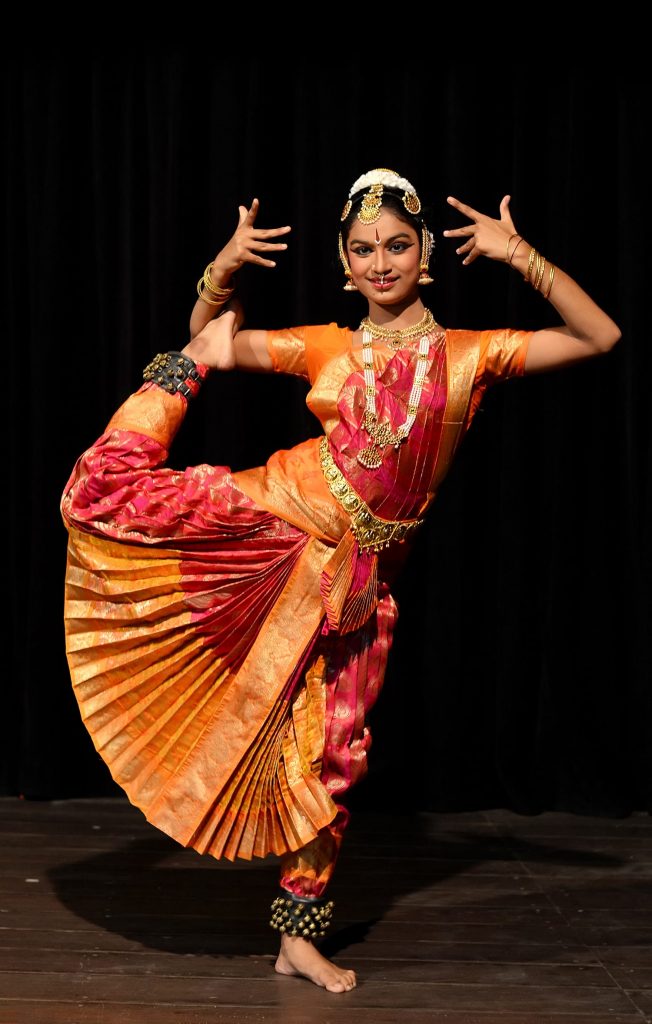
Mohiniyattam

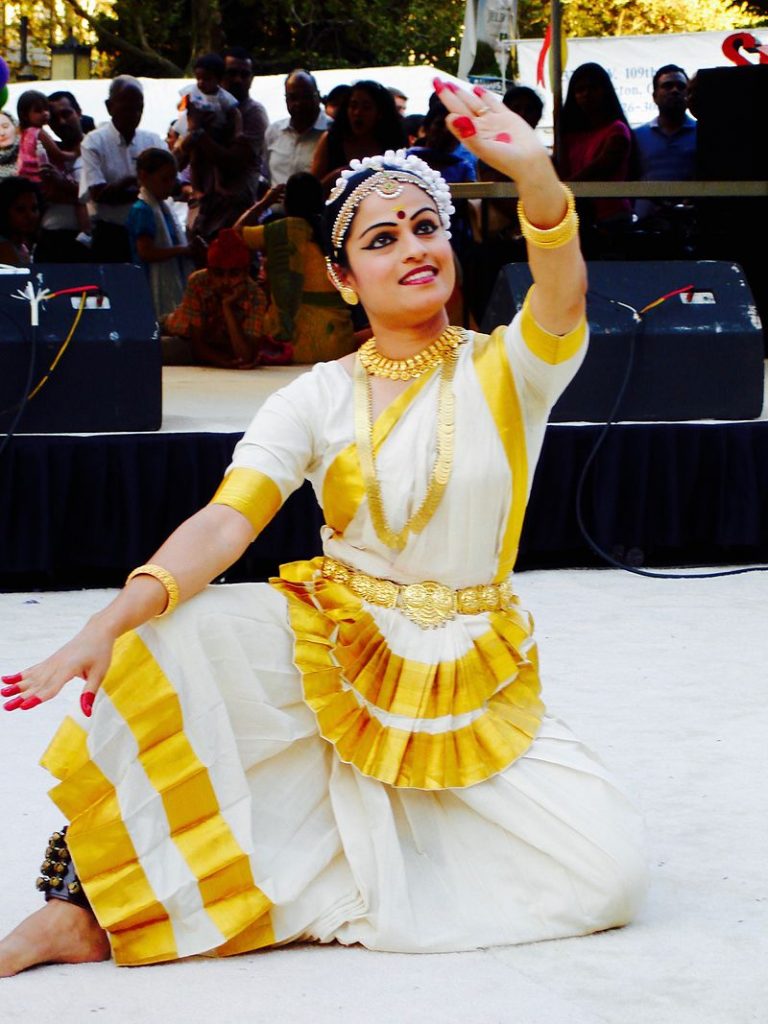
Mohiniyattam, also spelled Mohiniattam (Malayalam: മോഹിനിയാട്ടം), is one of two classical dances of India that developed and remain popular in the state of Kerala. The other classical dance form from Kerala is Kathakali. Mohiniyattam dance gets its name from the word Mohini – a mythical enchantress avatar of the Hindu god Vishnu, who helps the good prevail over evil by deploying her feminine powers. Mohiniyattam’s roots, like

Mohiniyattam Read More »

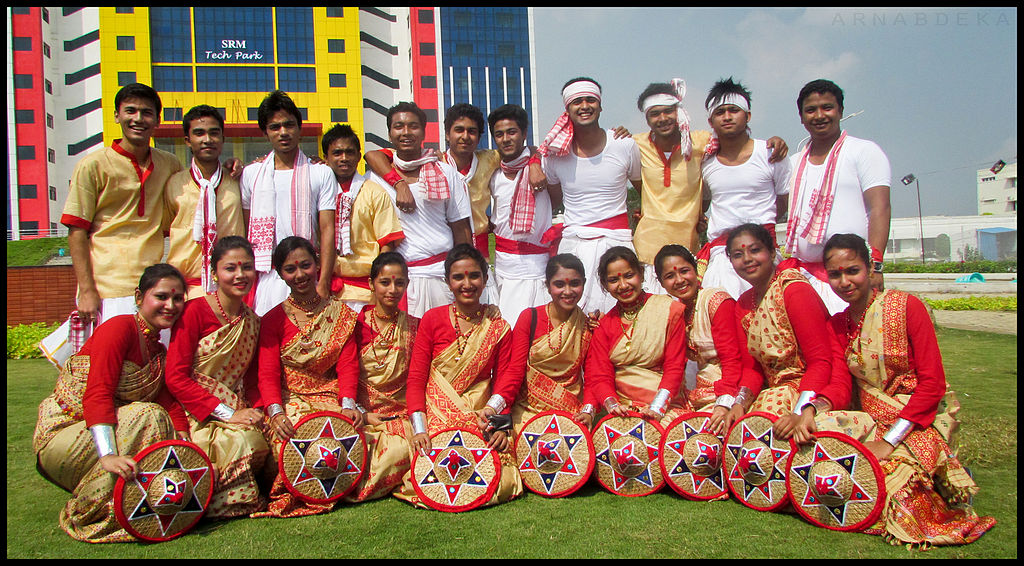
Bhiu folk dance

Bhiu folk dance is the chief festival in the Assam state of India. It refers to a set of three different festivals: Rongali or Bohag Bihu observed in April, Kongali or Kati Bihu observed in October, and Bhogali or Magh Bihu observed in January. The Rongali Bihu is the most important of the three celebrating the Assamese new year and

Bhiu folk dance Read More »

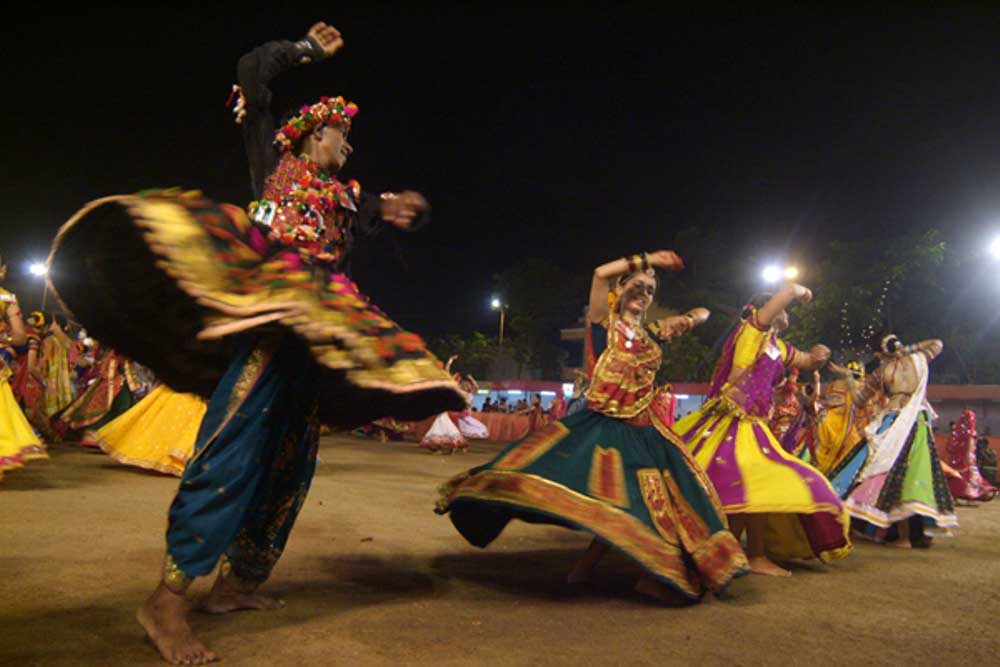
Garba dance

Garba dance (ગરબા in Gujarati) is a form of dance which originated in the state of Gujarat in India. The name is derived from the Sanskrit term Garbha (“womb”) and Deep (“a small earthenware lamp”). Many traditional garbas are performed around a centrally lit lamp or a picture or statue of the Goddess Shakti. The circular and spiral figures of garba dance have similarities to other spiritual

Garba dance Read More »

4D

4D